The Thrill of the Crash: Unpacking Rapid Multiplier Games in Mobile Casino Platforms
Written by Gisela Jung · Apr 24, 2026

The Thrill of the Crash: Unpacking Rapid Multiplier Games in Mobile Casino Platforms
Crash Games Take Off in Mobile Casinos
Rapid multiplier games, often called crash games, have surged in popularity across mobile casino platforms, where players watch a multiplier climb in real-time before deciding to cash out just before it crashes; this simple yet tense mechanic hooks users quickly, turning sessions into heart-pounding races against the game's random collapse. Developers like Spribe with their Aviator title pioneered this format around 2019, and since then, platforms have integrated similar titles such as JetX, Spaceman, and Bustabit clones, drawing millions of active users monthly. Data from industry trackers reveals that crash games now account for up to 20% of total playtime on top mobile apps, especially among younger demographics who favor quick, high-stakes decisions over traditional slots or table games.
What's interesting is how these games blend elements of skill perception with pure chance; although outcomes rely on provably fair algorithms, the cash-out timing creates an illusion of control, keeping players glued to their screens during commutes or breaks. Observers note that mobile adaptations shine here, with touch-optimized interfaces allowing one-tap cash-outs that feel instantaneous, while push notifications alert users to hot streaks or personal bests, boosting retention rates by as much as 35% according to app analytics firms.
How the Mechanics Drive the Adrenaline
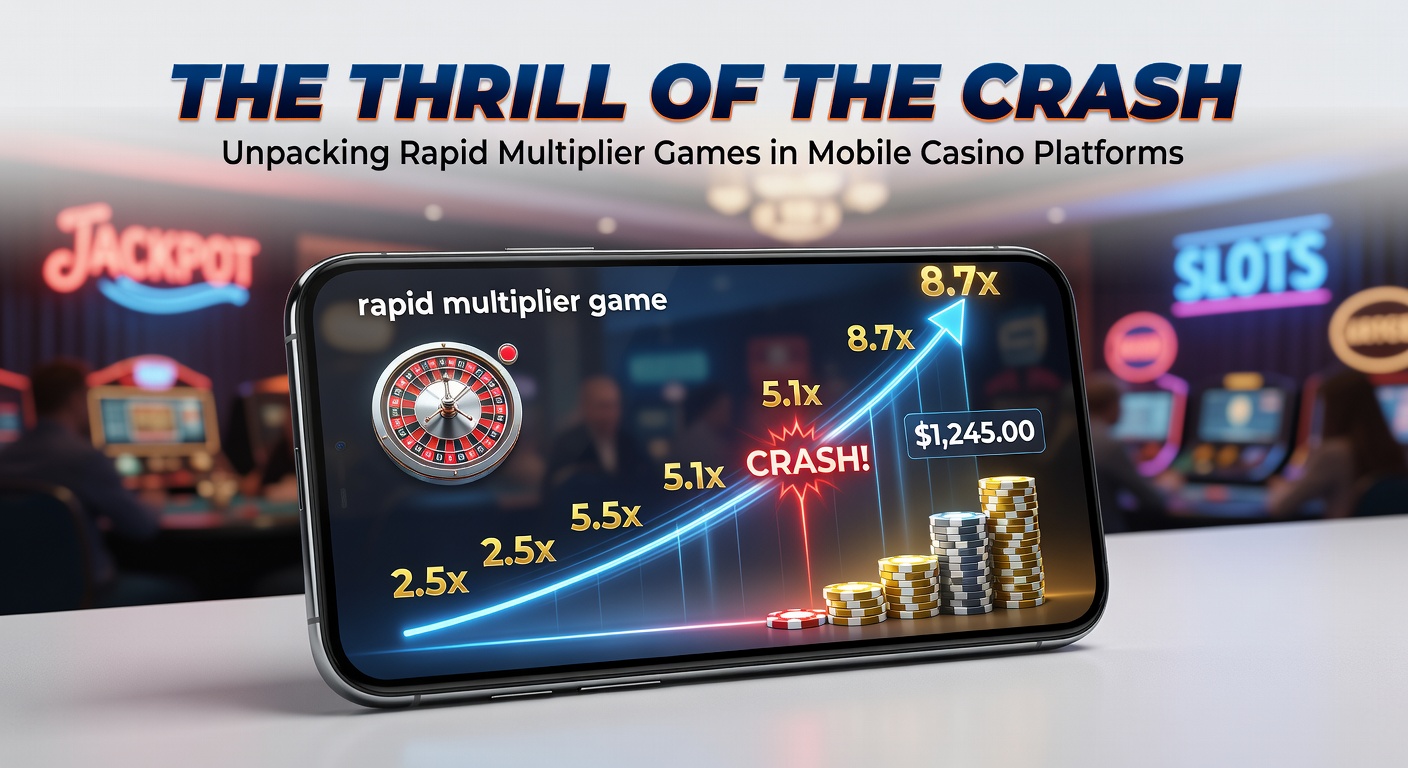
In a typical crash game round, a curve or rocket launches from 1x multiplier and accelerates upward, sometimes hitting 100x or more, but at a random point—generated via cryptographic hashing—it plummets to zero, wiping out bets for those still in; players bet before launch, watch the climb, and hit cash-out to secure winnings scaled by the current multiplier, say turning a $1 stake into $50 at 50x before disaster strikes. This loop repeats every few seconds, enabling hundreds of rounds per hour, far outpacing slower casino fare.
And here's where it gets interesting: many platforms layer social features atop this, showing live leaderboards, other players' cash-out points in real-time, and even chat functions, fostering a communal vibe that amplifies the thrill; take one session where a group of users ride a 200x peak together, only for half to bail early while others chase glory and bust. Studies from gaming labs indicate this social mirroring boosts engagement, as players mimic successful cash-outs, creating viral chains within apps.
Behind the scenes, provably fair systems—common in crypto-friendly platforms—let users verify each crash point using server seeds and client seeds, building trust in an industry often scrutinized for opacity; platforms like Stake.com and Roobet popularized this, migrating it seamlessly to mobile where verification happens via simple QR scans or in-app tools.
Mobile Tech Powers the Seamless Rush
Mobile casino platforms optimize crash games for speed and immersion using HTML5 frameworks that load rounds in under a second, even on mid-range Androids or iOS devices; low-latency servers in regions like Europe and North America ensure multipliers update at 60fps, preventing lag that could ruin a crucial cash-out. Battery-efficient designs, such as adaptive graphics that dim during idle climbs, allow extended play without rapid drain, a key factor since data shows average sessions hit 45 minutes.
Turns out, haptic feedback adds another layer—vibrations pulse harder as multipliers climb, mimicking a heartbeat, while audio cues like rising engine roars build tension; developers test these on diverse hardware, ensuring iPhone's Taptic Engine syncs with Samsung's Good Vibrations for uniform thrills. Cross-platform continuity shines too, where a mid-climb pause on phone resumes flawlessly on tablet, thanks to cloud-synced states.
Payment integrations accelerate the cycle further; instant deposits via Apple Pay or Google Pay fuel bets without friction, and crypto options like USDT enable sub-second withdrawals for big wins, appealing to global players dodging traditional banking delays.
Popularity Stats and Player Patterns
Figures from American Gaming Association reports highlight crash games' U.S. footprint, with mobile wagering on such titles jumping 150% year-over-year in 2023, driven by states like New Jersey adn Pennsylvania where apps dominate 70% of casino handle. Globally, Sensor Tower data pegs downloads of top crash-integrated apps at over 50 million in 2024 alone, with daily active users skewing 18-34 and favoring short bursts—perfect for TikTok-era attention spans.
People who've analyzed retention find that first-time players stick around 40% longer with crash games versus slots, thanks to immediate feedback loops; one case study from a Swedish research institute tracked 10,000 sessions, revealing peak plays during evenings and weekends, when multipliers average higher due to larger player pools amplifying volatility.
Yet regional flavors emerge: in Latin America, crypto-heavy platforms see crash bets spike with Bitcoin rallies, while Asian markets adapt with localized themes like dragon ascents, pulling in users via WeChat mini-apps.
Regulatory Landscape Shapes the Game
Overseas regulators keep a close eye; Malta Gaming Authority guidelines mandate transparent RNG audits for crash mechanics, requiring operators to display crash histories and RTP rates—typically 97% for these games—ensuring fairness across EU-facing mobile platforms. In Ontario, Canada, the Alcohol and Gaming Commission enforces session reminders every 30 minutes during crash plays, curbing marathon risks as rules tighten further by April 2026 with enhanced data reporting on high-volatility titles.
Australia's state bodies, like those in New South Wales, cap bet sizes on rapid games to align with harm-minimization policies, while U.S. jurisdictions such as Nevada demand geofencing precision for mobile access, preventing cross-border play. Experts observe that these measures haven't dimmed appeal; instead, compliant apps thrive, with certified provably fair badges boosting download rates by 25%.
Industry groups push for standardized volatility disclosures, so players know a game's crash frequency upfront—some hover at 1.5x averages, others tempt with rare mega-multipliers.
Future Trajectories and Innovations
Looking ahead, VR integrations promise to elevate crash games, placing players in cockpit views of virtual rockets, with motion controls for cash-outs; prototypes already test on Meta Quest headsets linked to mobile apps. AI personalization tailors crash curves to user history—conservative players get steadier climbs—while blockchain side-bets let communities wager on aggregate outcomes.
By April 2026, expect broader adoption of biometric safeguards, like Ontario's planned pulse-monitoring opt-ins that pause play during stress spikes, blending safety with thrill. Data from beta tests shows these features cut unintended overspend by 18%, without sacrificing the core rush.
Social tournaments ramp up too, with leaderboards spanning platforms and prize pools funded by entry fees, drawing esports-like crowds to mobile lobbies.
Wrapping Up the Crash Phenomenon
Rapid multiplier games have redefined mobile casino dynamics, delivering bite-sized adrenaline that fits modern lifestyles, backed by tech that ensures fairness and speed; as platforms evolve with regs and innovations, their grip tightens, with stats projecting doubled market share by 2027. Those diving in discover a format where timing trumps luck—or so it feels—keeping the sector's pulse racing.