The Mechanics of Algorithmic Curation in Portable Casino Game Recommendations
Written by Gisela Jung · Jun 7, 2026

The Mechanics of Algorithmic Curation in Portable Casino Game Recommendations
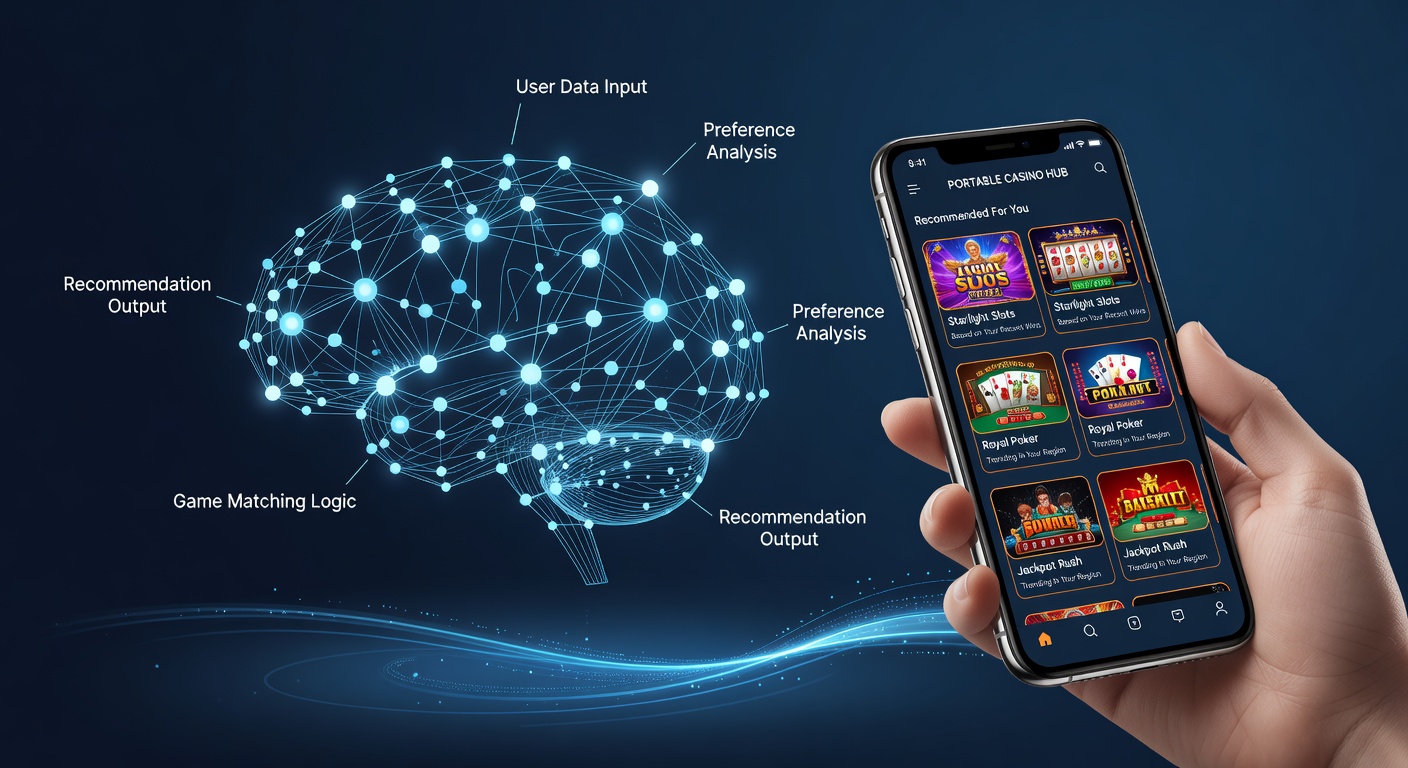
Portable casino platforms rely on algorithmic curation to deliver game recommendations that match individual player patterns and session histories, and this process draws from large datasets collected across user interactions, device signals, and gameplay metrics. Developers integrate machine learning models that process inputs such as spin frequency, bet sizing sequences, and session duration to generate ranked lists of suggested titles on Android and iOS applications.
These systems operate continuously in the background, updating suggestions after each completed round or deposit action, while they incorporate factors like time of day and device type to refine output lists in real time. Observers note that recommendation engines often segment users into behavioral clusters based on historical preferences for slot volatility levels or table game variants, allowing the algorithms to prioritize similar content for comparable profiles.
Data Collection Foundations
Portable platforms gather structured and unstructured data through embedded tracking modules that log every tap, swipe, and menu navigation within the application interface. Researchers have documented how location signals, combined with payment method selections, contribute additional context that influences the weighting of recommendation scores during peak evening hours or weekend periods.
Third-party analytics providers supply supplementary datasets that include aggregated market trends from multiple jurisdictions, and these external feeds help calibrate models when local user volumes fluctuate seasonally. Data pipelines normalize inputs across different game providers to ensure consistent scoring, which enables cross-title comparisons even when slot mechanics or live dealer formats differ substantially.
Machine Learning Techniques in Action
Collaborative filtering forms one core component, where the algorithm identifies overlapping preferences between users who have engaged with identical titles and then propagates those connections to generate new suggestions. Matrix factorization methods decompose user-item interaction matrices to uncover latent factors such as risk tolerance indicators or preferred bonus round structures, and these latent dimensions guide the final ranking process.
Deep neural networks process sequential data from recent sessions to predict likely next choices, and reinforcement learning variants adjust recommendation policies based on observed engagement metrics like click-through rates and average session extensions. Platforms test multiple model variants through A/B frameworks that compare performance across user cohorts, allowing operators to select configurations that maximize retention signals without altering core game mechanics.
Personalization and Delivery Mechanisms
Recommendation carousels appear on home screens immediately after login, and they refresh dynamically as new behavioral signals arrive during active play. Push notifications sometimes carry curated game links tied to algorithmic outputs, while in-app banners highlight titles that align with detected patterns such as frequent bonus hunts or extended autoplay usage.
Geographic and regulatory constraints shape how these systems present options, since certain jurisdictions require disclosure of algorithmic influence or limit the use of specific personalization variables. Industry reports from the International Association of Gaming Regulators outline compliance approaches adopted in North American and Asian markets, where operators must maintain audit trails of recommendation logic for periodic reviews.
Technical Infrastructure and Updates
Cloud-based inference engines handle the computational load required to score thousands of titles per user request, and edge computing nodes on user devices perform lightweight filtering to reduce latency during high-traffic periods. Developers deploy model updates through phased rollouts that monitor performance indicators before expanding to full user bases, and these iterations often incorporate fresh training data collected over preceding weeks.
Security protocols encrypt behavioral datasets during transmission and storage, while access controls restrict internal team visibility to aggregated outputs rather than individual records. Integration with game servers occurs through standardized APIs that return recommendation payloads alongside standard content catalogs, ensuring seamless display across varying screen sizes and operating system versions.
Industry Trends Toward June 2026
Analysts project continued refinement of hybrid models that blend content-based filtering with social graph signals derived from tournament participation and leaderboard activity. Reports from academic institutions including those published through MIT research initiatives on recommender systems highlight potential efficiency gains when multi-armed bandit algorithms balance exploration of new titles against exploitation of proven user favorites.
Portable platforms continue to expand testing of contextual awareness features that factor device battery levels and network conditions into suggestion timing, thereby avoiding recommendations during moments when extended play sessions appear less feasible. These incremental adjustments reflect ongoing calibration efforts across the sector as user bases scale and data volumes increase through 2026.
Conclusion
Algorithmic curation in portable casino environments represents a layered technical process that combines behavioral data processing, machine learning inference, and regulatory-aware delivery systems to produce personalized game suggestions. Continued evolution of these frameworks depends on infrastructure investments and cross-jurisdictional compliance practices that shape how platforms manage and present recommendations at scale.