Processor Architecture Mapping and Rendering Efficiency in Mobile Casino Software
Written by Katja Lehmann · Jun 3, 2026
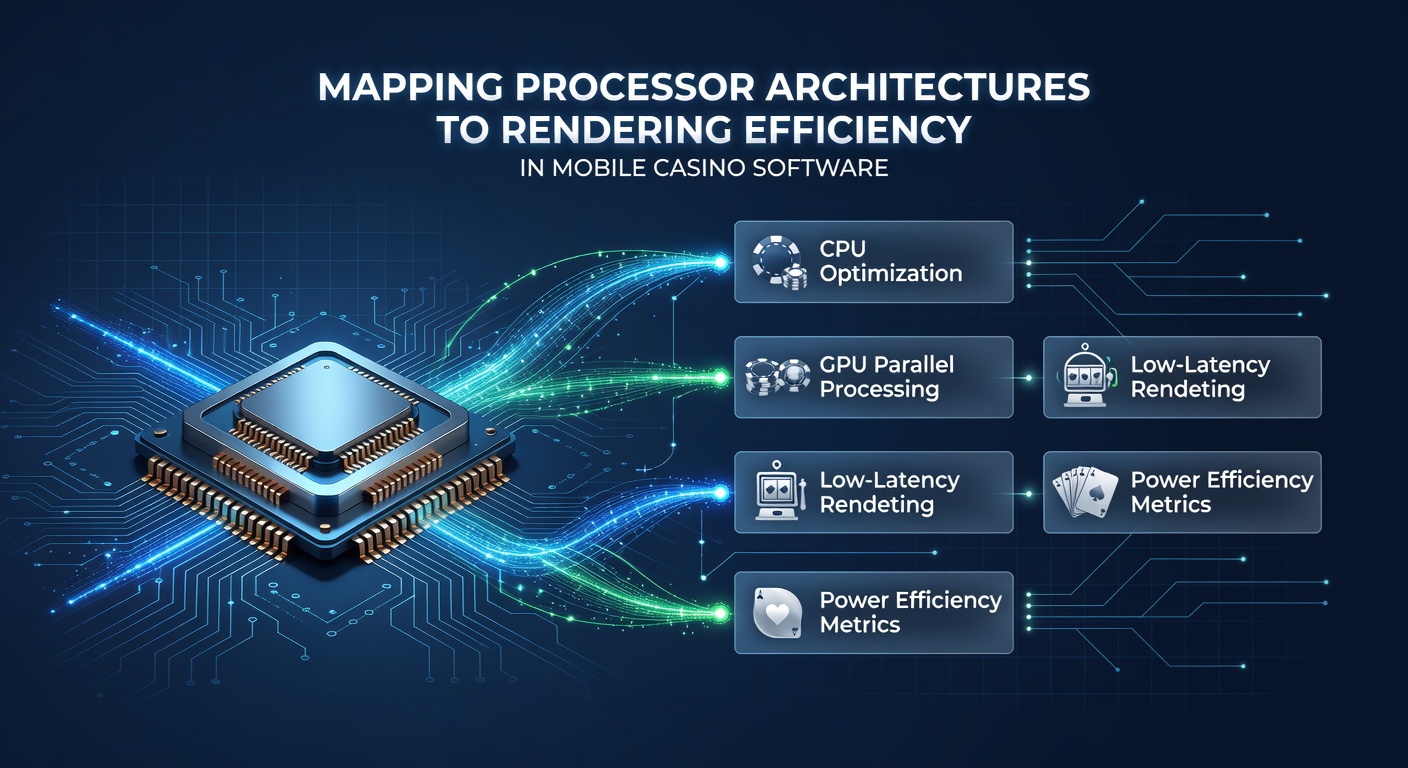
Processor Architecture Mapping and Rendering Efficiency in Mobile Casino Software
Processor architectures in mobile devices determine how casino software handles complex visual tasks such as slot reel animations, live dealer video streams, and real-time particle effects during bonus rounds, while researchers continue to examine the direct connections between chip design choices and frame delivery rates across Android and iOS platforms.
Core Components of Mobile Processor Architectures
Modern mobile system-on-chips integrate CPU cores, GPU units, and specialized neural processing elements that handle different stages of the rendering pipeline, with ARM-based designs dominating the sector yet varying significantly in cache hierarchy, memory bandwidth, and shader execution models between manufacturers such as Qualcomm, MediaTek, and Apple. Data from industry benchmarks shows that these differences translate into measurable variations in how quickly a device can process draw calls for high-resolution casino interfaces, especially when multiple layers of 2D sprites and 3D elements appear simultaneously on screen.
Engineers map specific architectural features to rendering workloads by profiling shader compilation times, texture upload latency, and vertex processing throughput, while studies indicate that devices with wider memory buses maintain higher frame consistency during extended play sessions involving live dealer tables that require continuous video decoding alongside overlay graphics.
Rendering Pipelines in Casino Applications
Mobile casino software relies on graphics APIs such as Vulkan and Metal to translate game logic into visual output, and developers align these pipelines with the strengths of each processor architecture by adjusting batch sizes, using compressed texture formats, and offloading certain calculations to dedicated hardware blocks. Figures from performance testing reveal that applications optimized for heterogeneous computing achieve smoother transitions between game states because they distribute tasks across CPU, GPU, and DSP components rather than concentrating load on a single unit.
One example involves progressive jackpot counters that update in real time across thousands of connected devices; the efficiency of these counters depends on how quickly the processor can handle floating-point operations and push updated vertex data to the display buffer without introducing visible stuttering.
Mapping Techniques and Performance Correlations
Developers create detailed mapping tables that associate processor specifications with expected rendering metrics, including average frame times under different lighting conditions and particle densities typical of casino bonus sequences. Research indicates that architectures with larger L2 caches reduce texture thrashing when multiple slot games load high-resolution assets simultaneously, whereas designs featuring advanced tile-based rendering deliver lower power consumption during prolonged sessions because they minimize memory traffic between GPU and system RAM.
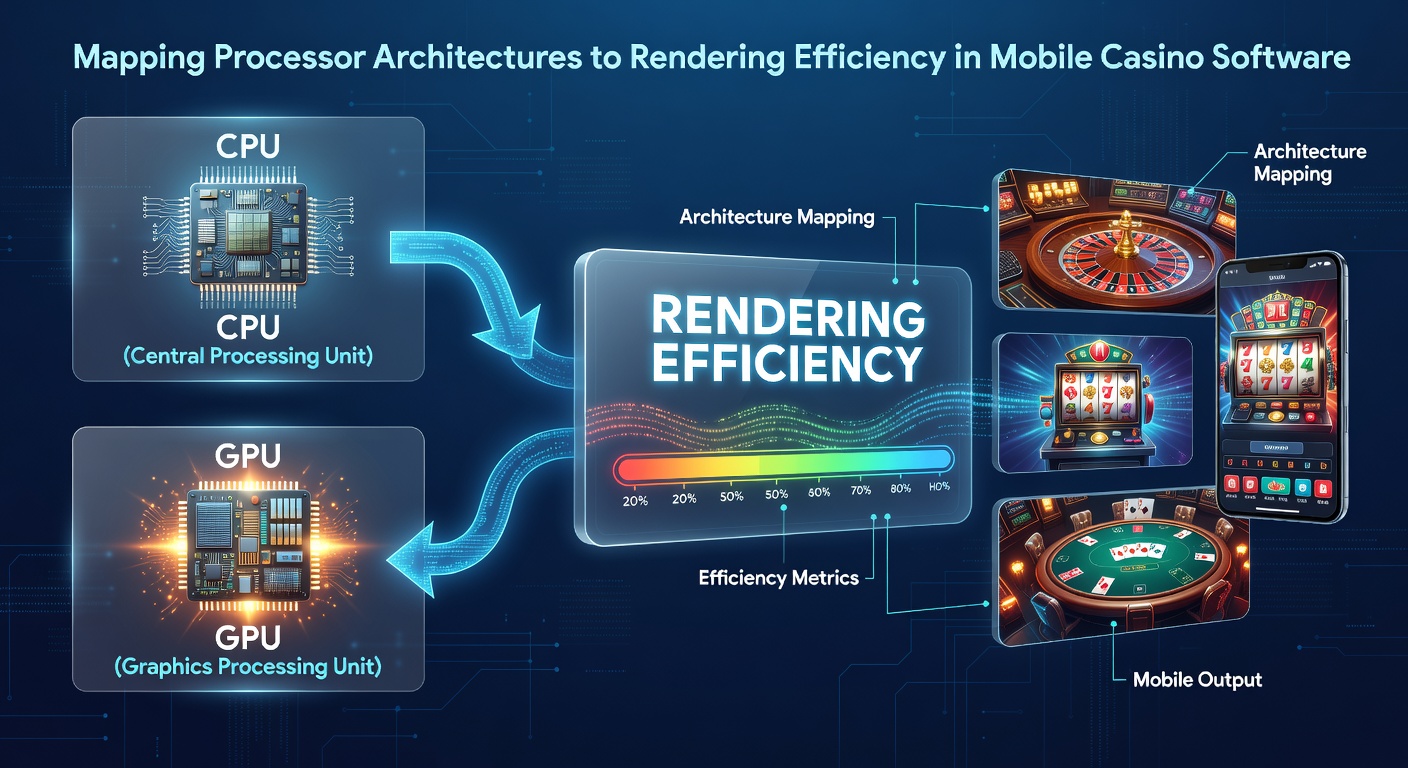
Additional analysis performed by graphics researchers shows correlations between instruction set extensions and the speed of custom shader effects used for card shuffling animations and coin cascade sequences. Those who have examined telemetry from large user bases note that applications incorporating architecture-aware rendering adjustments maintain more consistent frame rates across device tiers, particularly when users switch between portrait and landscape orientations mid-session.
Challenges in Cross-Architecture Optimization
Variations in driver maturity and API support levels create obstacles when porting rendering code between processor families, and software teams must test extensively on representative hardware samples to identify bottlenecks that only appear under specific load patterns common to casino environments. Data collected through automated testing suites demonstrates that certain GPU architectures handle asynchronous compute queues more effectively, allowing background tasks such as audio decoding and network packet processing to run without interrupting the main rendering thread.
Observers note that memory compression techniques and dynamic resolution scaling further help bridge performance gaps, yet these methods require careful calibration because aggressive downscaling can affect the clarity of small text elements such as paytable information and betting controls.
Developments Expected by June 2026
Industry roadmaps point toward wider adoption of ray-tracing capable mobile GPUs and improved machine-learning accelerators that can predict and pre-render likely next frames in interactive casino scenarios. Reports from hardware manufacturers suggest that upcoming chip revisions will include enhanced support for variable rate shading, which reduces computational load in peripheral screen areas while preserving detail where players focus attention during gameplay.
These advances are projected to influence how casino software vendors allocate development resources, with increased emphasis on tools that automatically detect processor capabilities at runtime and adjust rendering quality presets accordingly.
Conclusion
The relationship between processor architecture and rendering efficiency continues to shape technical decisions in mobile casino software development, as measured improvements in frame delivery and power usage directly affect user experience across diverse device ecosystems. Ongoing collaboration between chip designers and application engineers supports incremental gains that align hardware capabilities with the demanding visual requirements of modern casino titles.