Mapping Reward Triggers and Security Frameworks in Cross-Platform Live Gaming Interfaces
Written by Gisela Jung · Nov 15, 2026
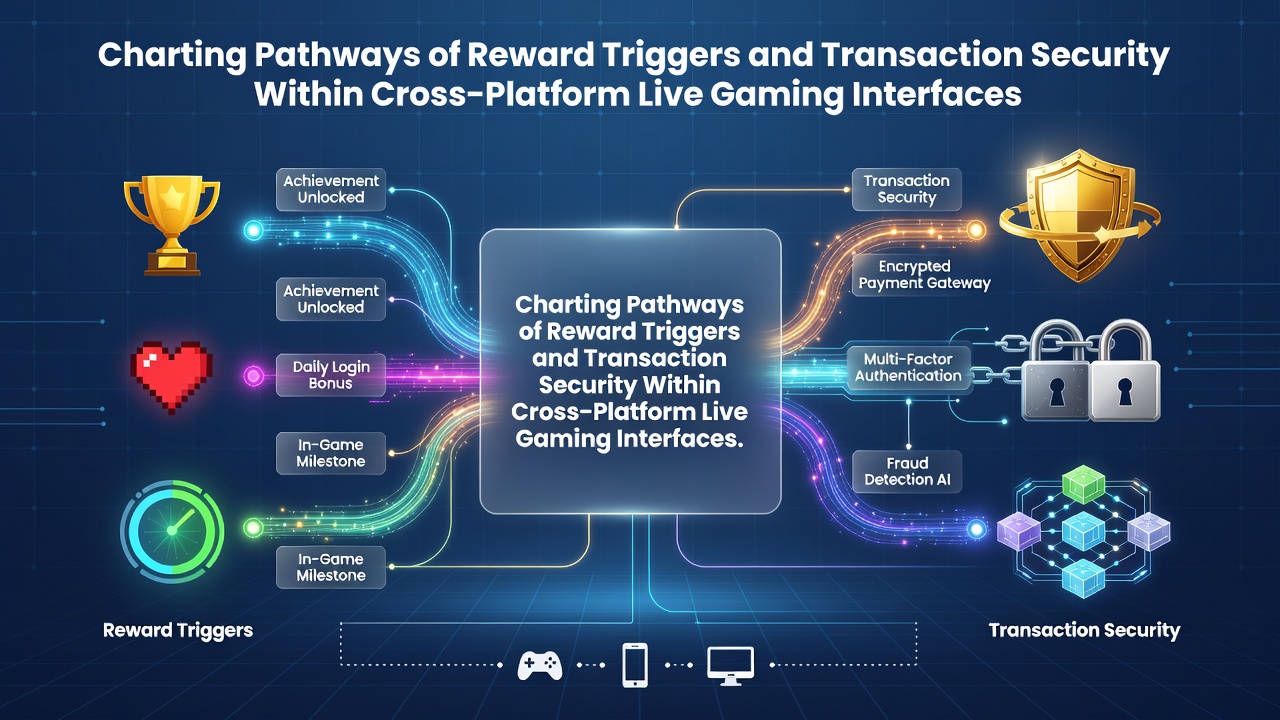
Mapping Reward Triggers and Security Frameworks in Cross-Platform Live Gaming Interfaces
Cross-platform live gaming interfaces connect players across mobile, desktop, and console environments through synchronized reward systems and transaction layers that activate in real time. Researchers have tracked how these pathways operate, noting that reward triggers often stem from behavioral data collected during live sessions, while transaction security relies on encrypted channels that span multiple device types.
How Reward Pathways Activate During Live Sessions
Live gaming platforms deploy algorithms that monitor player actions such as session duration, interaction frequency, and achievement milestones to initiate rewards. Studies from academic institutions indicate that these triggers function through progressive loops where small wins unlock larger incentives, and data shows the process typically involves server-side validation before any credit appears in a user account. Observers note that integration across platforms requires consistent API calls so a player switching from mobile to desktop experiences uninterrupted progression without duplicate or lost rewards.
One case examined by analysts revealed that platforms using unified player profiles reduced reward latency by coordinating triggers through central databases, whereas fragmented systems led to delays or inconsistencies. Those who have examined transaction logs find that reward credits often bundle with payment confirmations, creating a single audit trail that regulators can review for compliance.
Transaction Security Measures Across Devices
Security protocols in these interfaces incorporate multi-factor authentication, tokenization, and real-time fraud detection that operate regardless of the access device. Evidence from industry reports highlights how end-to-end encryption protects data during fund transfers, and additional layers such as device fingerprinting help identify unauthorized access attempts. Figures from regulatory bodies in regions outside the UK, including the Australian Communications and Media Authority, show increased adoption of these standards correlating with fewer reported incidents in cross-platform environments.
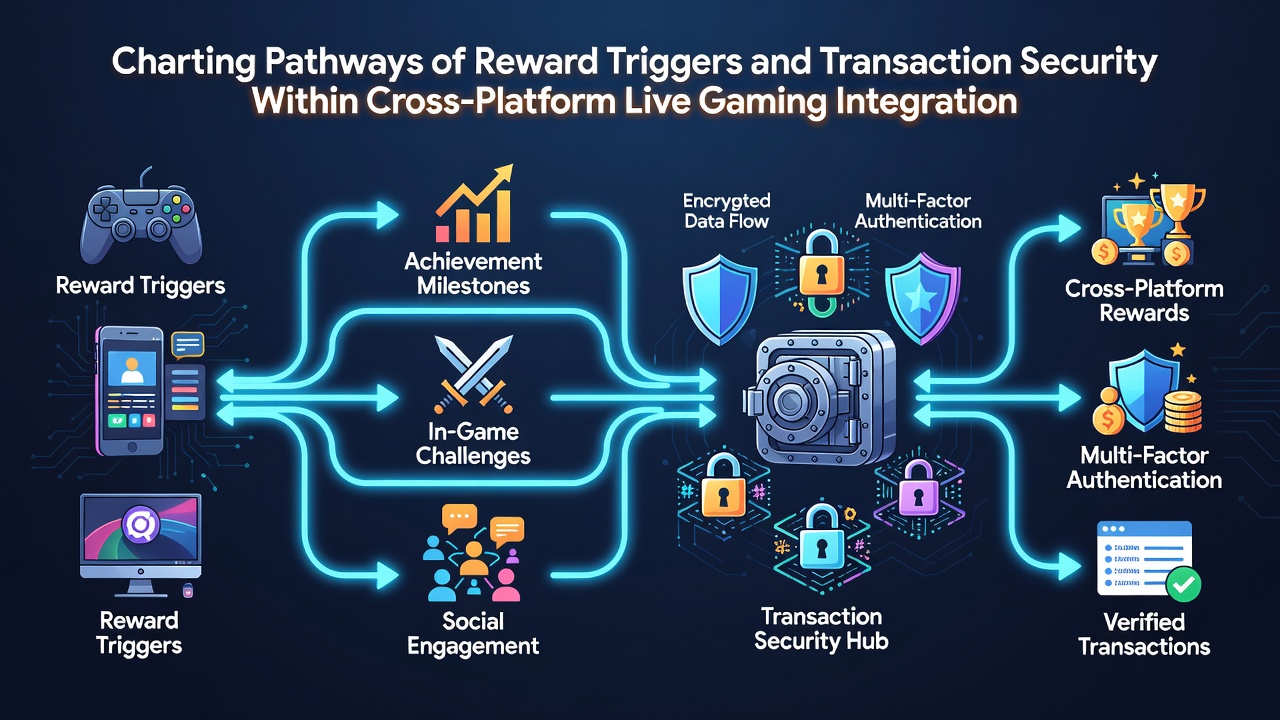
Payment gateways now integrate biometric verification options that sync across platforms, allowing a player to authorize a transaction on one device and complete verification on another. Research indicates this approach maintains security while reducing friction, and data collected through 2025 demonstrates measurable drops in chargeback rates when such systems are fully deployed. Experts have observed that November 2026 marks the scheduled rollout of updated interoperability guidelines from several North American and European gaming associations, which aim to standardize security handshakes between different platform providers.
Integration Challenges and Platform Coordination
Coordinating reward triggers with transaction security across platforms presents technical hurdles because each ecosystem maintains distinct update cycles and compliance requirements. Analysts point to cases where mismatched encryption standards temporarily blocked reward redemptions, forcing developers to implement fallback verification methods. Those studying the sector find that successful implementations rely on shared compliance frameworks that allow platforms to exchange validated session data without exposing sensitive user details.
Industry organizations such as the Gaming Laboratories International have published testing protocols that address these coordination issues, and data from their evaluations reveal that platforms passing cross-device security audits process transactions faster on average. What's interesting is how these audits also verify that reward pathways remain intact during high-volume live events, preventing both over-crediting and security gaps.
Future Alignment of Systems by Late 2026
Developments scheduled for November 2026 include expanded testing of quantum-resistant encryption methods within live gaming environments, driven by collaborative efforts among Canadian and Australian research groups. Reports indicate these methods will layer onto existing reward and transaction frameworks without requiring full system overhauls, and preliminary simulations suggest they maintain performance levels while strengthening long-term data protection.
Platform operators continue to refine how behavioral analytics feed into both reward activation and fraud prevention, creating tighter connections between the two processes. Evidence suggests that unified dashboards used by compliance teams will track both metrics simultaneously, reducing the time needed to investigate anomalies that span reward triggers and payment flows.
Conclusion
The pathways that govern rewards and secure transactions in cross-platform live gaming continue to evolve through coordinated technical standards and regulatory updates. Data collected across multiple regions demonstrates that integrated systems improve both player continuity and protection levels when properly implemented. As November 2026 approaches, further refinements in encryption and interoperability stand to strengthen these frameworks across diverse gaming interfaces.