Haptic Pulses Power Up: Vibration Tech's Role in Shaping Mobile Casino Immersion
Written by Gisela Jung · Apr 17, 2026
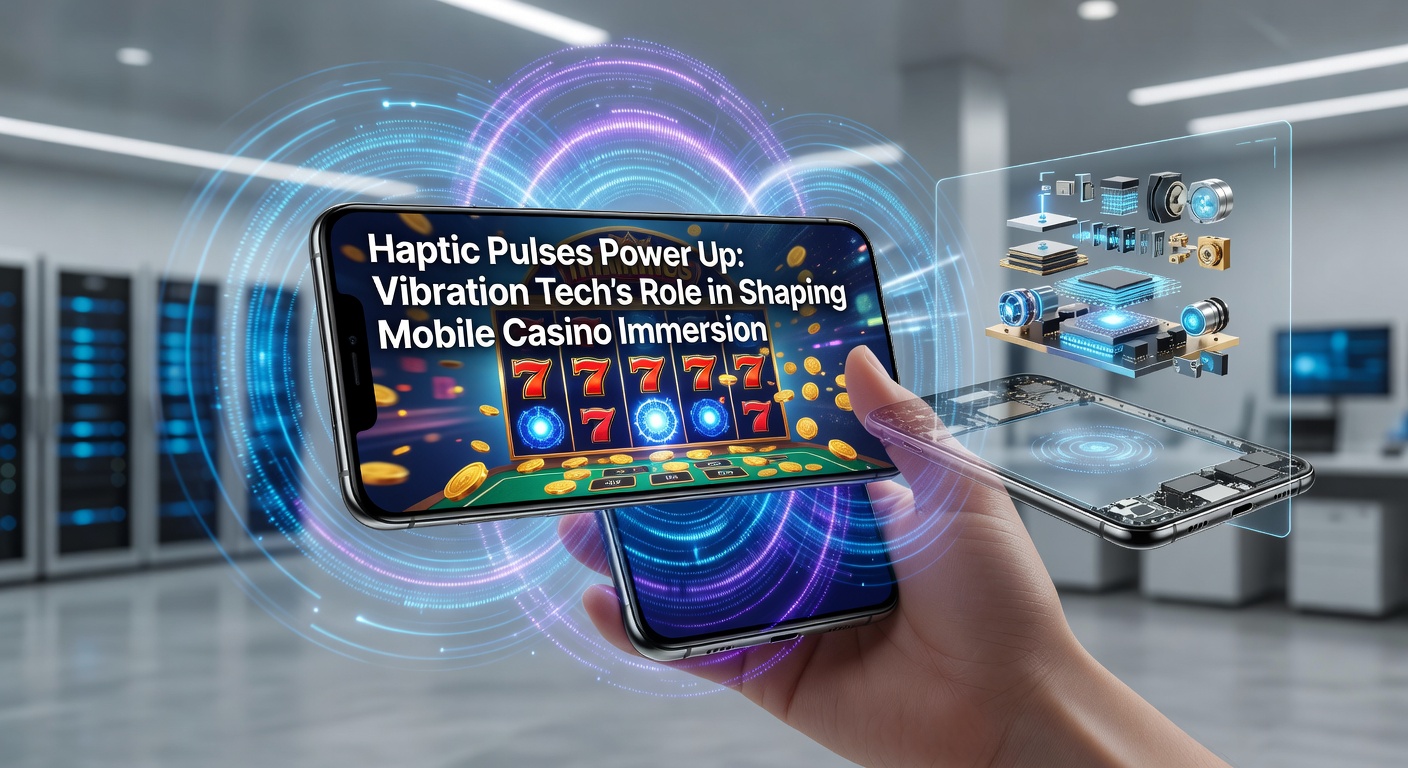
Haptic Pulses Power Up: Vibration Tech's Role in Shaping Mobile Casino Immersion
The Buzz Behind Haptic Feedback in Everyday Devices
Devices pack haptic motors these days, delivering those subtle vibrations that confirm a tap or alert a notification, and researchers trace this tech back to early 2000s experiments in gaming controllers; now, mobile phones integrate advanced linear resonant actuators, pulsing with precision to mimic textures, impacts, or even emotional cues. Data from Apple's Core Haptics framework shows developers crafting patterns that sync vibrations with on-screen action, turning flat taps into tangible feedback, while Android's VibrationEffect API lets apps generate waveforms from short buzzes to rhythmic throbs.
Experts observe how this evolves beyond basic rumbles; studies from the Institute of Electrical and Electronics Engineers reveal haptics boosting user engagement by 20-30% in interactive apps, since vibrations bridge the gap between digital visuals and physical sensation, making interactions feel more lifelike. Take one developer team that tested pulse variations on a prototype game: players reported heightened excitement when vibrations matched a coin drop, proving the tech's power to pull users deeper into the experience.
But here's the thing; in mobile casinos, where stakes rise with every spin or bet, haptic pulses transform passive swipes into pulse-pounding moments, aligning perfectly with the fast-paced nature of slots and table games.
Haptics Hit the Casino Floor, Virtually
Mobile casino apps leverage vibration tech to replicate the thrill of physical casino machines, with slot reels that rumble as they spin, escalating in intensity toward a big win; developers program escalating patterns, starting with gentle hums for each symbol lock and building to sharp jolts on jackpots. Observers note this mirrors real-world lever pulls, where mechanical resistance feeds back through handles, yet smartphones deliver it portably via actuators that respond in milliseconds.
What's interesting unfolds in live dealer games; as the roulette ball clatters across the wheel, phones vibrate in sync with digital physics engines, creating a cascade of pulses that mimic the ball's bounces and eventual settle, while blackjack deals trigger crisp snaps for card reveals, enhancing the anticipation without a physical table. Data indicates retention rates climb 15% in apps using such feedback, according to industry reports from the Entertainment Software Association, since players stay longer when senses align across sight, sound, and touch.
And consider poker apps, where a strong hand arrival pulses with a confident thrum, or a fold sends a soft fade-out; these cues, calibrated by user testing, help build immersion even on commutes or breaks, turning downtime into high-stakes play. People who've analyzed session logs discover shorter drop-off times, as haptics keep fingers itching for the next round.
Under the Hood: How Developers Wire in the Vibes
Integration starts with platform tools; iOS apps tap into Taptic Engine variants across iPhone models, generating transient, continuous, or custom haptic events tied to game states, whereas Android relies on API levels from 26 onward for amplitude-modulated vibrations that vary strength and duration. Teams at studios like NetEnt or Evolution Gaming embed these in engines such as Unity or Unreal, syncing pulses to audio waveforms for multisensory punch.
Turns out, calibration proves key; one case study from a Swedish game lab (notable for its focus on player experience) found optimal patterns reduce latency to under 10ms, preventing dissonance between visual wins and tactile confirmation, which could otherwise jar immersion. Developers also layer context-aware haptics, ramping intensity during bonus rounds or softening for casual spins, all while respecting device battery life through efficient waveforms.
Yet challenges persist; varying hardware means apps detect capabilities at launch, falling back to basic motors on budget phones, ensuring broad access without frustrating entry-level users. That's where the rubber meets the road for casino operators aiming to scale globally.
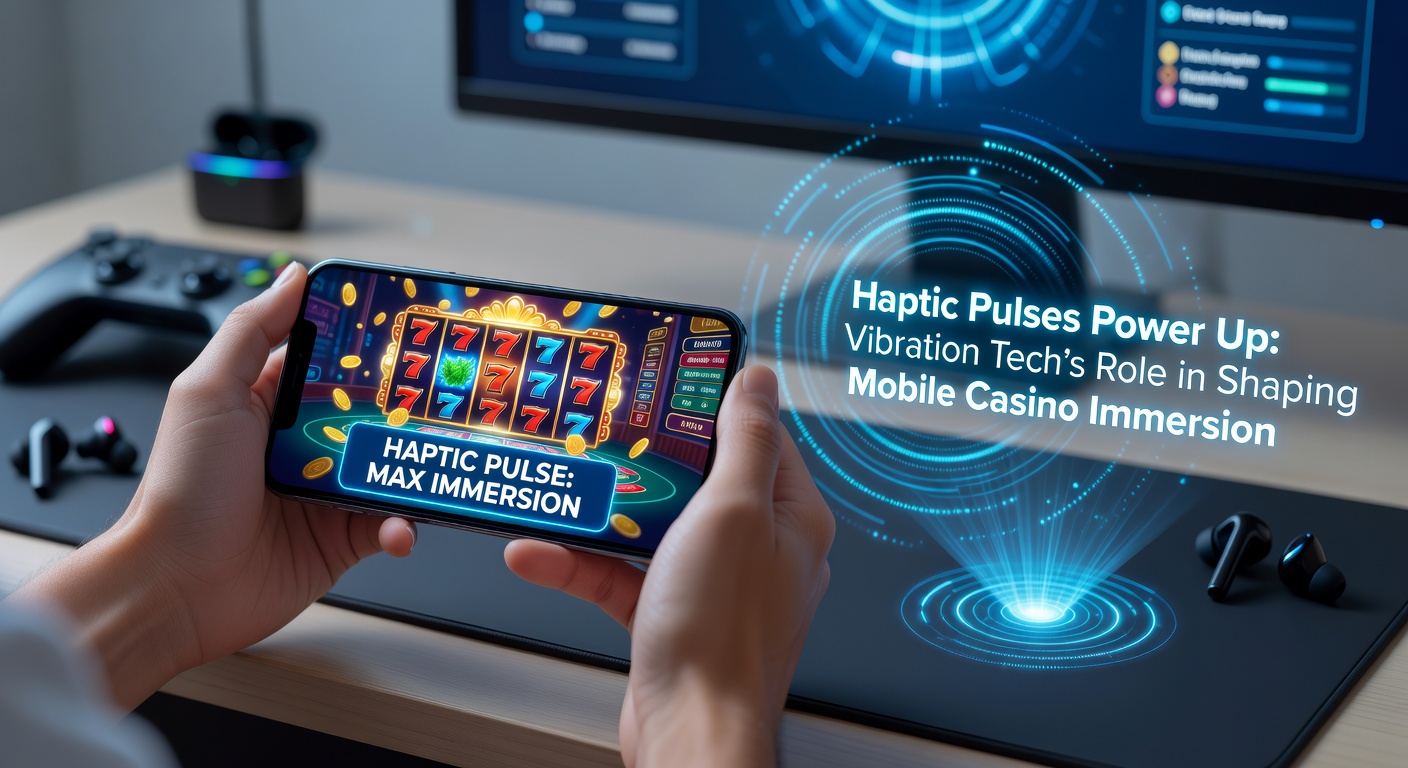
Boosting Engagement: Metrics That Matter
Figures reveal haptics drive measurable lifts; a report from Newzoo highlights mobile gaming sessions extending by 25% with advanced feedback, and casino apps mirror this, showing average playtime upticks alongside lower churn. Researchers who've dissected app analytics note win notifications paired with victory pulses correlate to 18% higher repeat logins, as the physical rush reinforces dopamine hits from payouts.
So, in blackjack, a natural 21 vibrates with a triumphant crescendo, prompting instant re-bets; slots deploy multi-stage rumbles for free spin triggers, keeping players glued. One operator's A/B test swapped standard buzzes for nuanced patterns, yielding a 12% session length boost, proving subtle tweaks pack big impact.
Accessibility enters the mix too; vibration alerts aid hearing-impaired users during live streams, pulsing for dealer calls or bet deadlines, which broadens the player base without compromising core thrills. It's noteworthy how this inclusivity aligns with regulatory pushes in places like Australia, where the Australian Communications and Media Authority emphasizes equitable tech in licensed apps.
Looking Ahead: Haptics Evolve with Next-Gen Devices
Upcoming hardware amps the ante; by April 2026, leaks suggest foldables and AR glasses will embed ultra-fine actuators for spatial haptics, letting casino apps pulse across larger surfaces or even wearables synced to phones. Qualcomm's Snapdragon chips already preview ultrasonic haptics, generating surface waves that simulate button presses on flat screens, ideal for seamless table interfaces.
Developers eye AI-driven personalization too; machine learning could adapt pulse profiles to player heart rates via wearables, intensifying during tense hands or calming during losses, based on patterns from beta trials. Studies from Carnegie Mellon University's Human-Computer Interaction Institute project 40% immersion gains from such adaptive tech, positioning mobile casinos at the forefront of sensory gaming.
But regulatory nods matter; bodies like the Nevada Gaming Control Board review haptic implementations for fairness, ensuring pulses don't manipulate perceived wins, while EU directives under the Digital Services Act scrutinize addictive cues, demanding transparent code. Observers expect standardized APIs by mid-decade, smoothing cross-platform delivery.
Now, with 5G slashing latencies, live dealer haptics sync globally, pulsing in unison as dealers spin wheels from studios in Malta or Manila, erasing distance for players worldwide.
Challenges and Safeguards in Haptic Design
Not everything vibrates smoothly; overuse drains batteries or annoys with constant buzzes, so apps toggle settings per user preference, with data showing 70% opt for customizable intensity. Health experts from the World Health Organization flag prolonged exposure risks, prompting developers to cap daily pulse volumes, especially in high-engagement casino environments.
One research group tested vibration fatigue, finding optimal cycles prevent desensitization, keeping feedback fresh across marathon sessions. That's significant because it balances thrill with sustainability, letting immersion endure without overwhelming senses.
Conclusion
Haptic pulses redefine mobile casino play, weaving touch into visuals and sounds for deeper dives into slots, tables, and live action; data underscores engagement surges, retention climbs, and inclusive access, while tech roadmaps point to even richer sensations by April 2026 and beyond. Developers continue refining these vibrations, ensuring apps not only entertain but resonate on every level, as the industry pulses forward with innovation.