Device Fingerprints Shape Bonus Delivery in Cross-Platform Casino Platforms
Written by Gisela Jung · Aug 26, 2026

Device Fingerprints Shape Bonus Delivery in Cross-Platform Casino Platforms
Device fingerprinting has become a standard tool in cross-platform casino software, where operators collect unique hardware and software signals from user devices to manage bonus distribution. These signals include screen resolution, operating system details, browser configurations, installed fonts, and canvas rendering outputs. Researchers at various institutions have documented how such data creates persistent identifiers that survive across app updates and account resets.
Core Mechanics of Device Identification
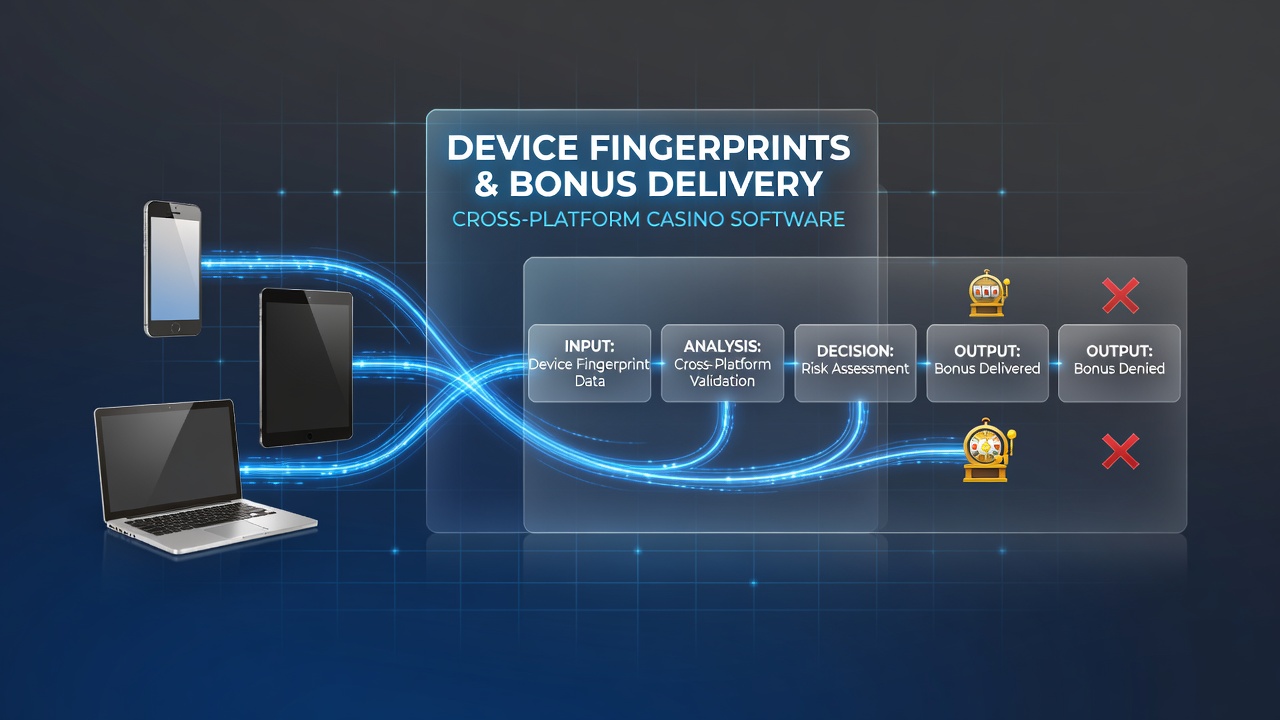
Cross-platform environments blend mobile applications with web browsers, and fingerprinting bridges these gaps by generating a composite profile for each device. When a player attempts to claim a welcome bonus or reload offer, the system checks this profile against existing records. Matches trigger automated reviews, while new profiles receive standard processing. Data shows that major platforms integrate these checks during account registration and bonus activation stages, reducing instances of duplicate claims.
Operators apply hashing algorithms to combine multiple attributes into a single identifier, making direct replication difficult without matching the exact hardware and software stack. Studies from academic groups have measured the stability of these fingerprints over time, noting that minor changes like font updates rarely disrupt the overall match rate in controlled tests.
Bonus Delivery and Fraud Prevention
Bonus systems rely on device data to enforce terms that limit one offer per user. When fingerprints indicate repeated access from the same hardware across different accounts, platforms can withhold bonuses or flag the activity for manual review. This approach operates alongside IP analysis and payment verification, creating layered controls. Reports from industry monitoring bodies indicate that fingerprint-based detection accounts for a significant portion of prevented abuse cases in multi-platform deployments.
Implementation varies between iOS and Android environments because of differences in available APIs and sandbox restrictions. Android systems expose more granular device attributes through standard development kits, while iOS relies on more limited signals after privacy updates in recent operating system versions. Developers adjust collection methods accordingly to maintain consistent identification rates across both ecosystems.
Regulatory Context and Technical Standards
Regulatory frameworks in multiple jurisdictions require operators to implement reasonable measures against bonus abuse. The Nevada Gaming Control Board has issued guidance on player verification technologies, while the Australian Communications and Media Authority oversees similar standards for licensed platforms serving that market. These rules emphasize transparency in data collection without prescribing exact technical methods.
Technical standards from organizations such as the International Gaming Standards Association provide frameworks for integrating device checks into existing compliance modules. As of August 2026, several platforms have updated their fingerprinting libraries to align with evolving browser privacy features and mobile operating system changes.
Cross-Platform Challenges and Adaptations
Seamless play across devices introduces complexity because users may switch between phones, tablets, and desktop browsers during a single session. Fingerprint systems must reconcile partial matches when a player logs in from a secondary device, often using probabilistic scoring rather than strict equality checks. This method allows legitimate multi-device usage while still identifying coordinated bonus farming attempts that span multiple hardware profiles.
Case examples from platform audits reveal that operators combine device fingerprints with behavioral signals such as session duration and game selection patterns. When both data streams align with known abuse indicators, bonus delivery pauses automatically. Observers note that this combined approach improves accuracy compared with fingerprinting alone.
Future Developments in Identification Technology
Emerging techniques incorporate machine learning models trained on large datasets of device interactions to predict match confidence levels. These models help distinguish between natural variations caused by software updates and deliberate attempts to evade detection. Research papers from university labs have tested such models on anonymized gaming telemetry, reporting improved detection rates in simulated environments.
Privacy regulations continue to influence how much data platforms can gather, prompting shifts toward server-side fingerprinting and reduced client-side collection. European data protection guidelines, for instance, require explicit consent mechanisms for certain tracking methods, affecting how casino software presents these features to users.
Conclusion
Device fingerprinting serves as a foundational element in modern bonus management for cross-platform casino software. By generating stable identifiers from hardware and software attributes, operators maintain control over offer distribution while supporting legitimate play across multiple device types. Ongoing adaptations to privacy standards and platform differences ensure these systems remain effective as technology evolves.