Data Analytics Powering Adaptive Loyalty Systems in UK Mobile Casino Platforms
Written by Katja Lehmann · Jul 1, 2026
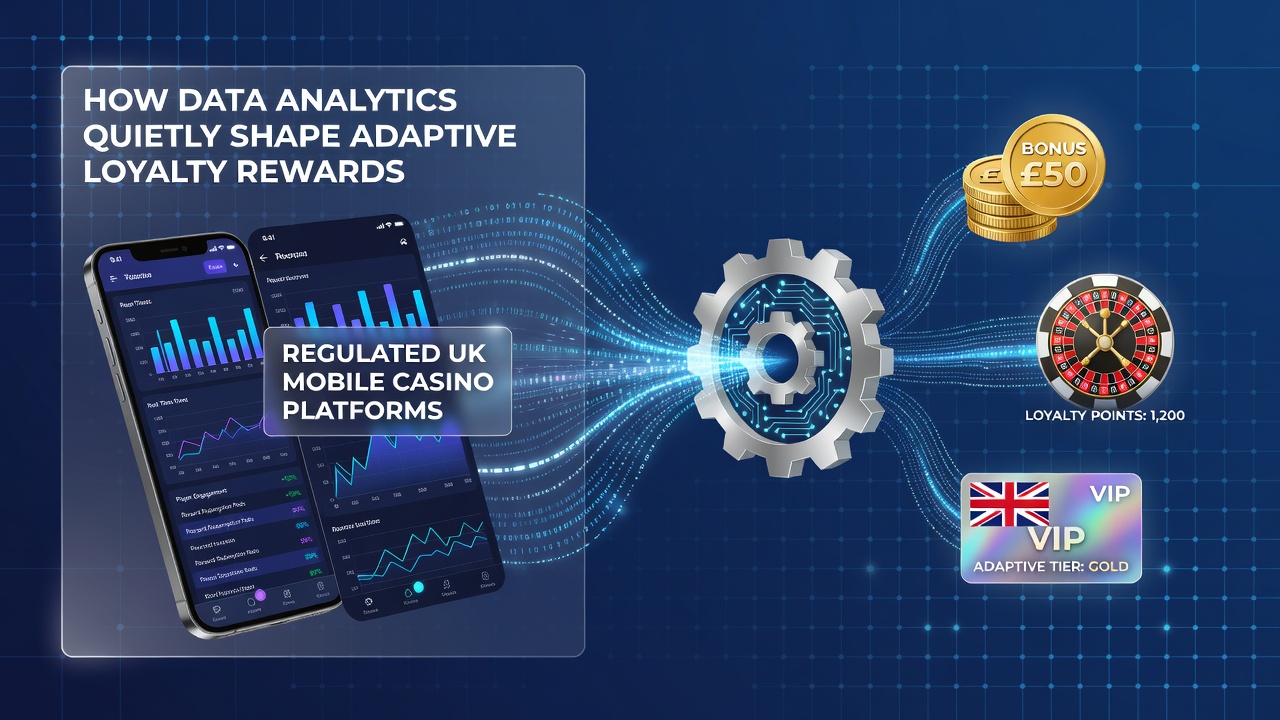
Data Analytics Powering Adaptive Loyalty Systems in UK Mobile Casino Platforms
Player behavior tracking has become central to loyalty program design across regulated UK mobile casino platforms, where algorithms process real-time activity data to customize reward structures. Systems monitor login frequency, game preferences, session duration, and deposit patterns, then apply those insights to modify point accumulation rates and bonus eligibility without direct user input. This approach relies on machine learning models that identify spending thresholds and engagement signals, allowing platforms to shift reward tiers automatically as individual patterns evolve over weeks or months.
Core Mechanisms Behind Data-Driven Reward Adjustments
Analytics engines ingest data from multiple touchpoints including app navigation logs, in-game decisions, and payment histories, after which predictive models forecast future activity levels and allocate tailored incentives such as accelerated loyalty points or exclusive free spins. These calculations occur continuously, so a player who increases their average bet size on certain slot titles might receive higher multiplier bonuses the following week, whereas reduced activity triggers softer retention offers like extended play credits. Integration with mobile device data further refines these outputs, incorporating location signals and session timing to prioritize rewards that align with typical usage windows.
Segmentation and Personalization Layers
Platforms divide users into dynamic clusters based on lifetime value metrics and risk profiles, then route each segment through distinct reward pathways that update weekly. High-frequency players often encounter progressive milestone bonuses tied to consecutive daily logins, while occasional users receive targeted reactivation packages calibrated to their historical spend ranges. Research from the University of Nevada Reno's International Gaming Institute indicates that such segmentation improves retention rates by aligning offers with observable behavioral clusters rather than static demographics alone.
Regulatory Compliance Embedded in Analytics Workflows
Analytics pipelines incorporate safeguards that flag unusual patterns for manual review, ensuring reward adaptations stay within established responsible gaming boundaries. Data models automatically cap bonus values for accounts showing rapid escalation in wager amounts, and they suppress promotional intensity when session lengths exceed predefined thresholds. These built-in constraints operate alongside external audit requirements, where third-party reviewers examine algorithm outputs for fairness and transparency as of July 2026 implementation cycles.
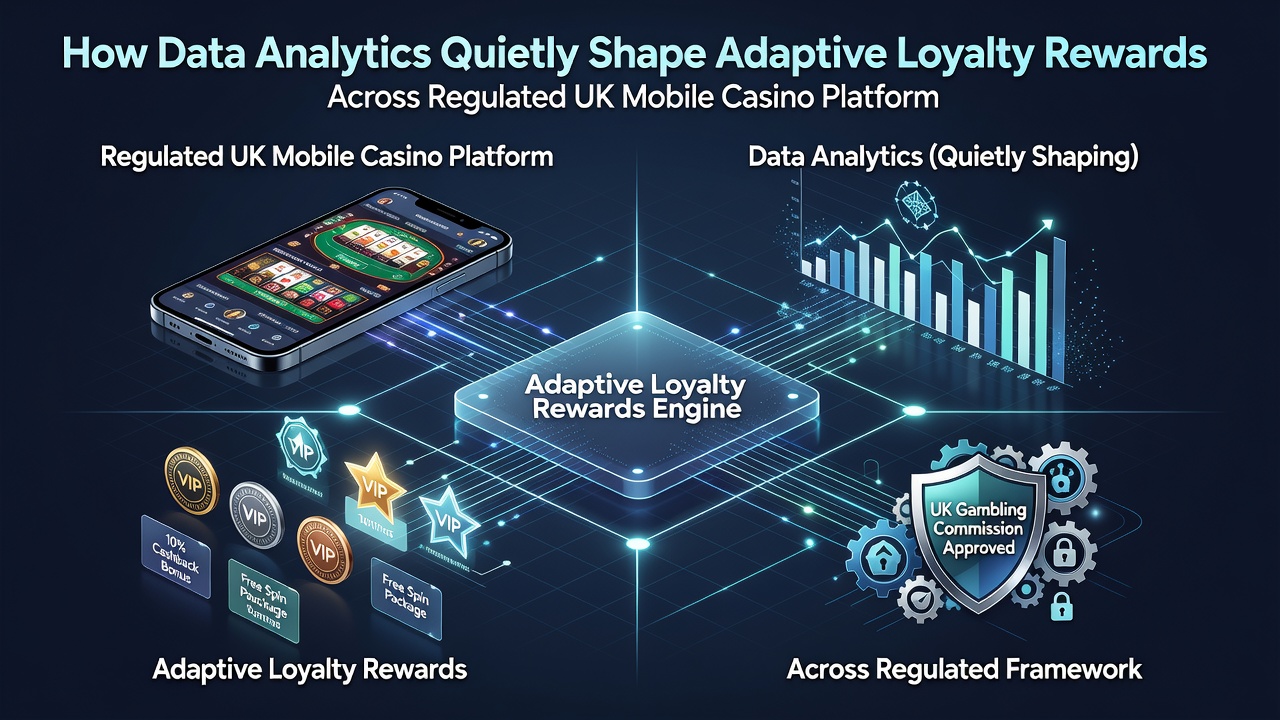
Cross-platform data sharing agreements allow operators to maintain consistent user profiles across Android and iOS deployments, yet each environment applies distinct encryption standards that analytics teams must accommodate during model training. This technical layering means reward calculations account for platform-specific variables such as payment processor latency or push notification response rates, producing slightly varied incentive structures depending on the device in use.
Impact on Player Progression and Retention Metrics
Longitudinal tracking reveals that adaptive systems accelerate movement through loyalty tiers for consistent participants, with point multipliers scaling according to calculated engagement velocity. A user completing weekly challenges might unlock premium status weeks earlier than under fixed programs, while those showing signs of disengagement receive scaled-down offers designed to rekindle interest without overcommitment. Figures from the Australian Gambling Research Centre demonstrate similar patterns in comparable markets, where personalized adjustments correlate with steadier participation curves across monitored cohorts.
Technical Infrastructure Supporting Real-Time Adaptation
Cloud-based processing clusters handle the volume of incoming telemetry, running batch updates overnight and streaming adjustments during active sessions. Edge computing nodes on user devices pre-process certain signals before transmission, which reduces latency and enables near-instant reward recalibrations when players complete milestones. Security protocols encrypt these data flows end-to-end, with access restricted to authorized analytics personnel operating under strict audit trails.
Partnerships with third-party data vendors supply supplementary context such as aggregated market trends, allowing platforms to benchmark individual performance against broader player populations. This comparative layer informs whether a particular reward adjustment falls within expected ranges or requires recalibration to maintain competitive parity.
Future Trajectory of Analytics Integration
Developments scheduled for late 2026 include deeper incorporation of biometric indicators from wearable devices, provided users grant explicit consent, which would add heart-rate variability and sleep pattern correlations to loyalty models. These expansions aim to refine reward timing further, aligning bonus deliveries with periods of higher predicted receptivity. Industry observers note that continued refinement depends on maintaining robust data governance frameworks that balance personalization benefits against privacy considerations across jurisdictions.
Conclusion
Analytics frameworks continue to refine adaptive loyalty rewards on UK mobile casino platforms through iterative processing of behavioral signals, segmentation logic, and compliance filters. The resulting systems deliver individualized incentives at scale while operating within established operational parameters, with ongoing technical upgrades extending these capabilities into new data domains.