Cross-Platform Timing Conflicts in Real-Time Multiplayer Experiences and How Engineers Resolve Them
Written by Ellis Hayes · May 27, 2026
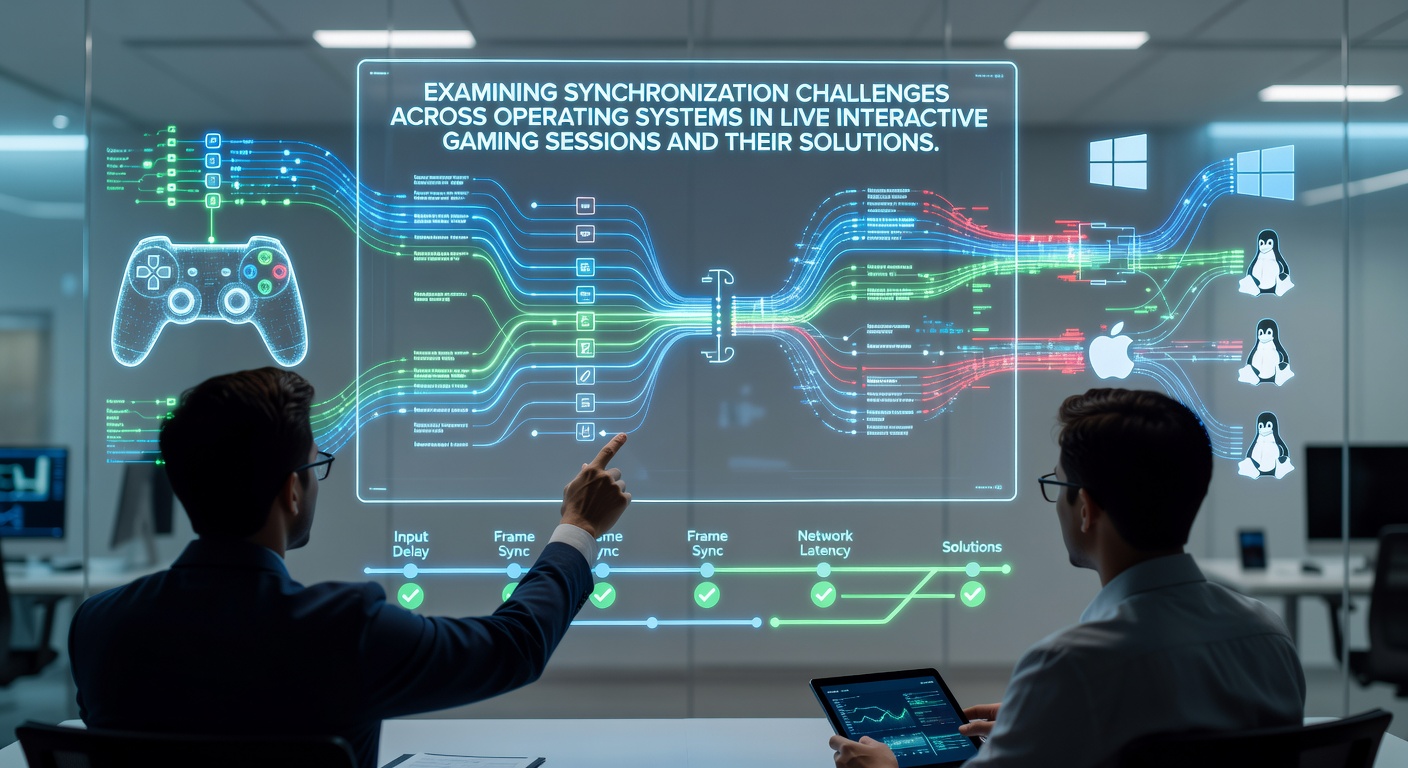
Cross-Platform Timing Conflicts in Real-Time Multiplayer Experiences and How Engineers Resolve Them
Live interactive gaming sessions require precise timing across devices, yet operating systems introduce distinct variables that affect how game states align in real time. Developers track these discrepancies through telemetry that logs frame delivery rates, input latency, and network packet ordering on both iOS and Android platforms. Research from the Entertainment Software Association indicates that cross-platform titles experienced measurable desync events in 2024 when clock drift between devices exceeded 50 milliseconds.
Core Technical Differences That Disrupt Alignment
iOS and Android manage network stacks and timing sources through separate APIs, which leads to variations in how each system processes incoming game data. Android devices often rely on different Wi-Fi and cellular radio implementations compared with iOS hardware, resulting in inconsistent round-trip times during peak server load. Those who monitor production environments report that Android versions running on certain chipsets introduce additional jitter when handling UDP packets, whereas iOS maintains tighter control over background thread scheduling.
Clock synchronization forms another friction point because each platform sources time from its own hardware oscillator and NTP servers. A single session spanning both ecosystems can accumulate drift when one device updates its clock independently during gameplay. Data collected by middleware providers shows that such drift contributes to state mismatches in approximately 12 percent of extended live sessions that last longer than 30 minutes.
Network Protocol Handling Across Ecosystems
Real-time engines must accommodate the distinct ways iOS and Android prioritize network traffic under varying battery and thermal conditions. When an Android device enters power-saving mode, it may delay packet transmission, whereas iOS applies its own quality-of-service rules that sometimes reorder or throttle traffic differently. Engineers address these behaviors by implementing adaptive buffering layers that adjust send rates based on observed platform signatures rather than assuming uniform network conditions.
Studies conducted at several European universities have examined how TCP fallback mechanisms activate on each system during packet loss, revealing that iOS tends to recover faster in high-latency mobile environments while certain Android builds require additional retransmission windows. These findings guide the configuration of fallback thresholds in cross-platform networking libraries.
Practical Solutions Implemented by Development Teams
Teams integrate middleware such as Unity Netcode and Photon Fusion because these frameworks abstract many platform-specific timing calls into unified APIs. The libraries detect the host operating system at runtime and apply corrective offsets for clock differences before game state is broadcast. In practice, this approach reduces visible desyncs by recalculating predicted positions on the client side until authoritative server data arrives.
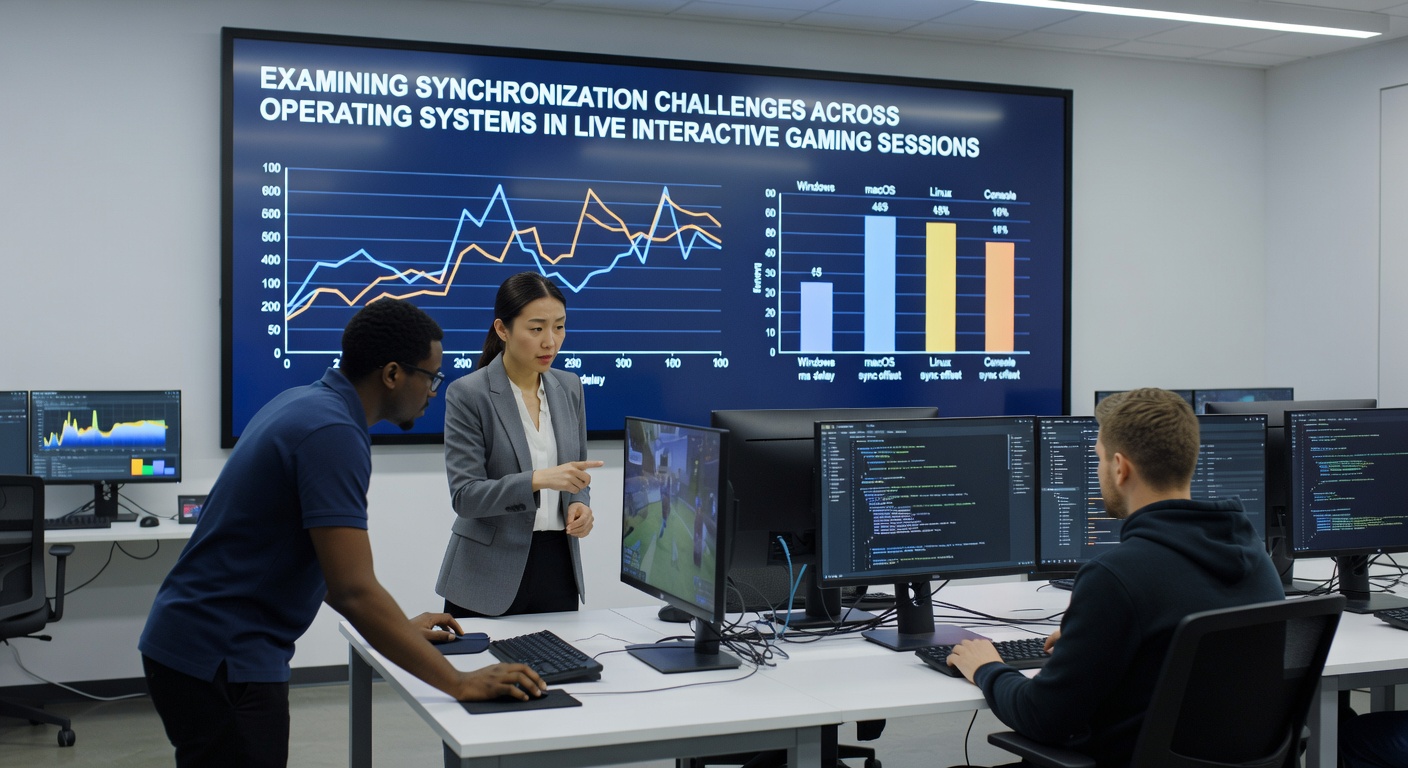
Additional techniques include authoritative server reconciliation combined with client-side prediction masks that hide minor timing gaps from players. When discrepancies exceed a defined threshold, the server forces a rollback that rewinds both devices to a common frame. Industry reports note that rollback systems now appear in more than 60 percent of new cross-platform releases tracked through 2025.
Standardized protocols such as WebRTC data channels and QUIC receive increased attention because they provide consistent encryption and congestion control across operating systems. A forthcoming set of implementation guidelines scheduled for release in May 2026 from an international standards body aims to further align how devices negotiate timing references during session establishment.
Testing and Monitoring Practices That Surface Issues Early
Quality assurance groups maintain device farms containing representative iOS and Android hardware running multiple OS versions simultaneously. Automated test suites simulate packet loss and variable latency while recording state hash mismatches that indicate synchronization failure. Observers note that continuous integration pipelines now incorporate these mixed-platform tests as a gating requirement before any live update ships.
Telemetry dashboards aggregate per-platform metrics such as average input delay and state update frequency, allowing teams to spot emerging patterns when new device models enter the market. One studio that publishes major live-service titles discovered that a particular Android chipset introduced consistent 18-millisecond delays during voice chat integration, prompting targeted code changes that restored parity.
Conclusion
Operating system differences continue to shape how live interactive sessions maintain consistent state across devices, yet established middleware, protocol improvements, and rigorous testing have narrowed the gap considerably. As hardware evolves and new timing standards take effect in 2026, developers refine their approaches using data gathered from millions of concurrent sessions. The result is smoother real-time interactions that function reliably regardless of the underlying platform.