Biometrics Take Center Stage in Mobile Casino Security Across Operating Systems
Written by Cameron Richter · Jul 31, 2026
Biometrics Take Center Stage in Mobile Casino Security Across Operating Systems
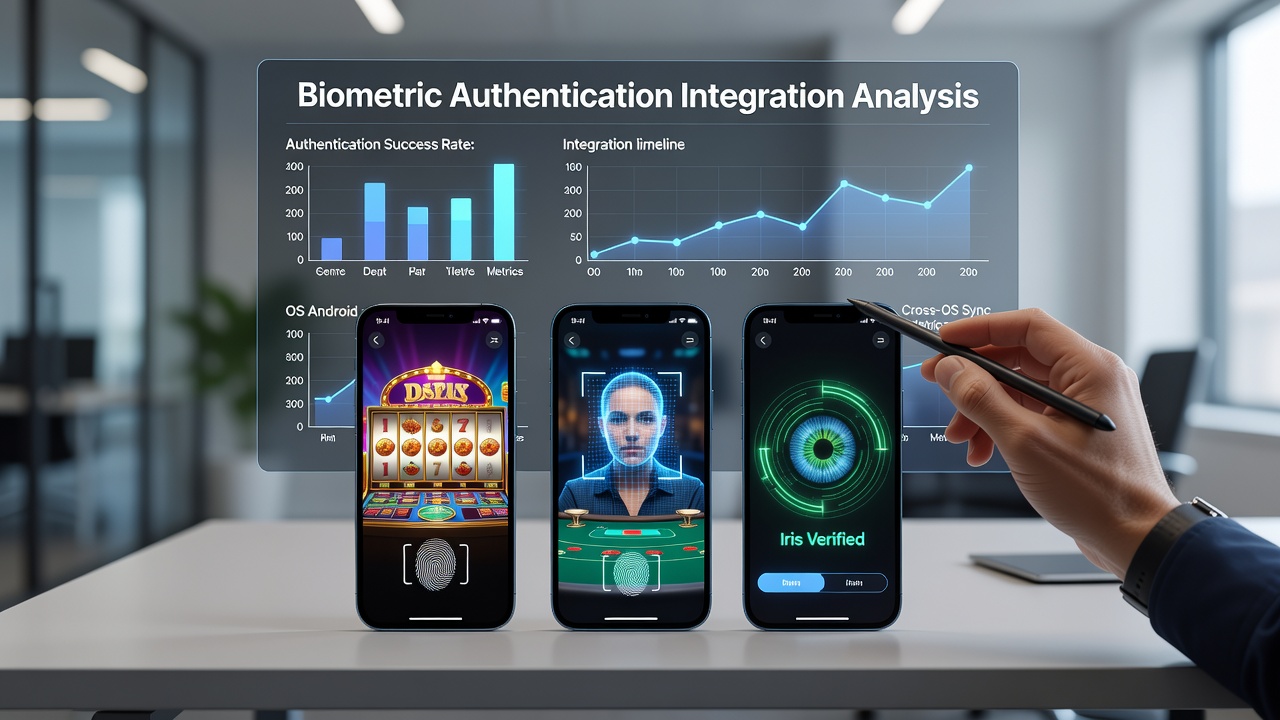
Biometric authentication has moved from optional add-on to standard feature in mobile casino interfaces, with developers integrating fingerprint and facial recognition systems to streamline access while meeting security demands from regulators and users alike. Research from various technology institutes shows that adoption rates climbed steadily through 2025, and projections point to further expansion by July 2026 as both major operating systems refine their APIs.
iOS Integration Patterns
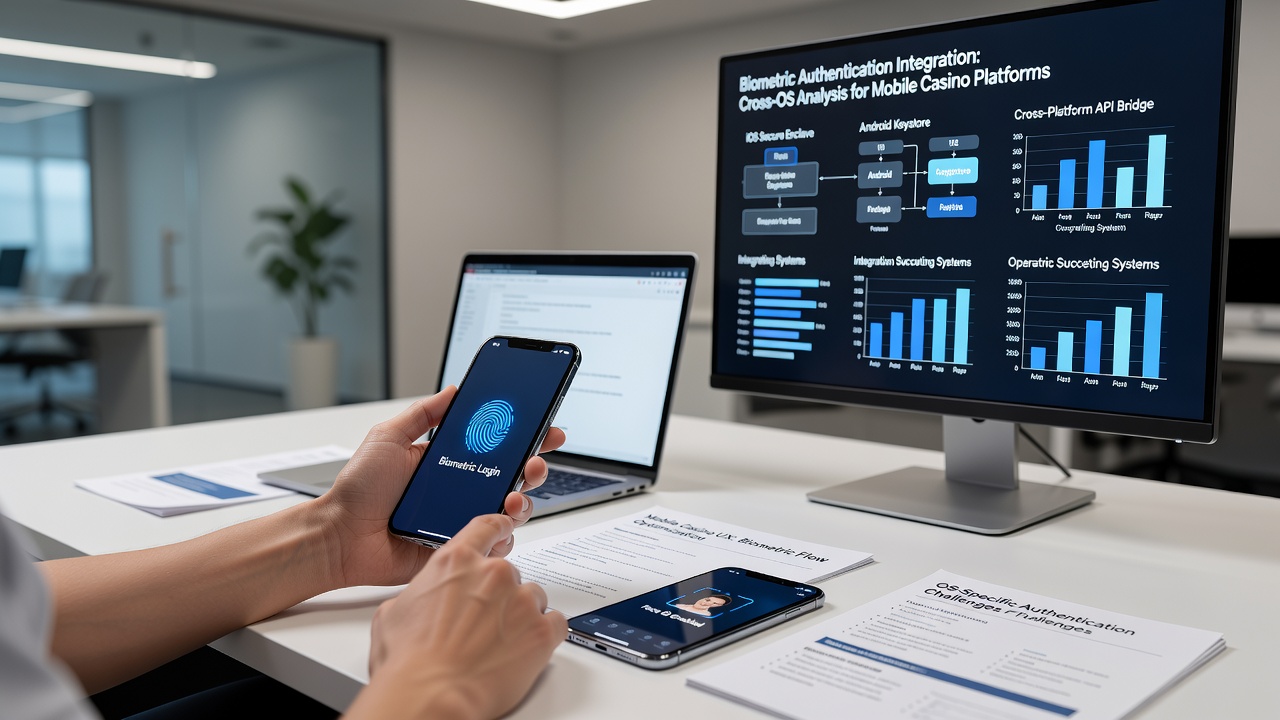
Apple's ecosystem relies on the Secure Enclave processor to handle Face ID and Touch ID data, which keeps biometric templates isolated from the main system and reduces exposure risks during authentication flows in casino applications. Developers access these capabilities through the LocalAuthentication framework, allowing apps to verify users before granting entry to account balances or game lobbies without transmitting sensitive information over networks. Studies conducted by university research teams indicate that iOS implementations maintain consistent performance across device generations because hardware and software updates follow a controlled release cycle.
App builders often combine biometric checks with fallback PIN options to accommodate older hardware still in circulation, and this layered approach supports compliance with data protection rules enforced by agencies such as the European Data Protection Board. Observers note that iOS apps tend to request biometric permission once during initial setup, after which the system manages subsequent verifications through a single prompt that appears within milliseconds of launch.
Android Implementation Variations
Android environments present a broader range of hardware configurations, which leads developers to use the BiometricPrompt API introduced in later platform versions to create unified interfaces that work across fingerprint sensors, facial recognition cameras, and even iris scanners on select devices. Manufacturers implement these features at different security levels, so casino applications must detect device capabilities at runtime and adjust prompts accordingly to avoid failures on lower-tier models. Data compiled by industry groups reveals that fragmentation remains a challenge, yet recent updates to Android's credential manager have narrowed the gap by providing standardized storage for biometric keys.
Many Android casino interfaces now support strong biometric classes that require hardware-backed keystores, which aligns with recommendations from organizations focused on cybersecurity standards. Those who have examined app performance across regions report that devices running Android 12 and newer handle authentication events more reliably, especially when apps incorporate the latest Jetpack libraries for compatibility testing.
Security and Compliance Considerations
Both platforms store biometric data locally rather than in cloud environments, a design choice that limits the attack surface when users access casino accounts from public networks. Reports issued by the National Institute of Standards and Technology highlight how template protection mechanisms differ between the two systems, with iOS employing neural network-based matching inside the enclave while Android distributes verification across trusted execution environments supplied by chipset vendors. Casino operators must therefore conduct platform-specific audits to confirm that authentication logs meet audit trail requirements set by oversight bodies in multiple jurisdictions.
Encryption of session tokens generated after successful biometric checks further strengthens these flows, and developers frequently rotate keys on a schedule that matches regulatory expectations. Research indicates that false acceptance rates stay below industry thresholds when applications enforce liveness detection features available in current SDK releases.
User Experience and Adoption Trends
Players interact with biometric prompts at login, deposit confirmation, and withdrawal approval stages, which reduces friction compared with manual password entry across repeated sessions. Surveys gathered by academic institutions show higher completion rates for account verification steps when biometrics replace traditional credentials, particularly on devices that support multiple modalities such as fingerprint plus facial recognition. Developers track these metrics through anonymized analytics that reveal drop-off points during onboarding, allowing targeted refinements without compromising privacy standards.
Cross-platform frameworks now abstract much of the underlying code, yet teams still maintain separate branches to optimize prompt timing and error messaging for each operating system. The result appears in smoother transitions between game selection and payment screens once initial verification succeeds.
Looking Ahead to Mid-2026
Platform updates scheduled for release around July 2026 are expected to introduce enhanced anti-spoofing techniques and expanded support for passkey integration that pairs with existing biometric sensors. These changes will likely influence how casino applications manage multi-device logins while preserving the single-tap convenience users have come to expect. Organizations tracking mobile security developments continue to publish guidance that helps developers align new features with emerging technical specifications.
Conclusion
Biometric authentication now forms a core component of mobile casino interfaces on both iOS and Android, driven by hardware advancements, API maturation, and regulatory expectations for secure user verification. Differences in implementation reflect each platform's architecture, yet both deliver measurable improvements in access speed and protection against unauthorized entry. Continued refinement through 2026 will depend on collaboration between device makers, software developers, and standards bodies working across regions to maintain consistent security postures.