Behind the Screens: Technical Adaptations Enabling Fluid Gameplay in Portable Casino Offerings Across Different Devices
Written by Ellis Hayes · Jul 15, 2026

Behind the Screens: Technical Adaptations Enabling Fluid Gameplay in Portable Casino Offerings Across Different Devices
Portable casino offerings now operate across thousands of device models that range from flagship smartphones with high-refresh-rate displays to older tablets running legacy operating systems, and developers have responded with layered technical adaptations that maintain consistent frame rates and responsive controls regardless of hardware specifications.
Cross-Platform Rendering Engines
Modern implementations rely on HTML5 combined with WebGL and WebAssembly modules that compile once and execute efficiently on both iOS Safari and Android Chrome environments, while companies such as those contributing to the Gaming Standards Association have published interface specifications that allow game studios to target multiple chip architectures without rewriting core logic for each new release cycle.
Adaptive resolution scaling detects available GPU memory and screen density at launch, then adjusts texture quality and particle effects on the fly; this approach prevents frame drops when a user rotates a device or switches between Wi-Fi and cellular connections during a session.
Input Handling and Latency Reduction
Touch input systems incorporate predictive buffering so that swipe gestures registered on screens with different sampling rates translate into identical game actions, and network stacks now employ edge caching nodes that shorten round-trip times for live dealer video streams even when players move between cell towers.
Research published by scholars at the University of Nevada, Las Vegas has documented measurable reductions in input-to-action delay after studios integrated these buffering techniques, particularly on mid-range Android devices that previously exhibited noticeable lag compared with premium hardware.
Resource Management Across Hardware Tiers
Battery and thermal constraints receive equal attention because prolonged sessions can throttle processors on smaller devices; background processes monitor temperature sensors and dynamically lower shader complexity while preserving payout logic and regulatory audit trails.
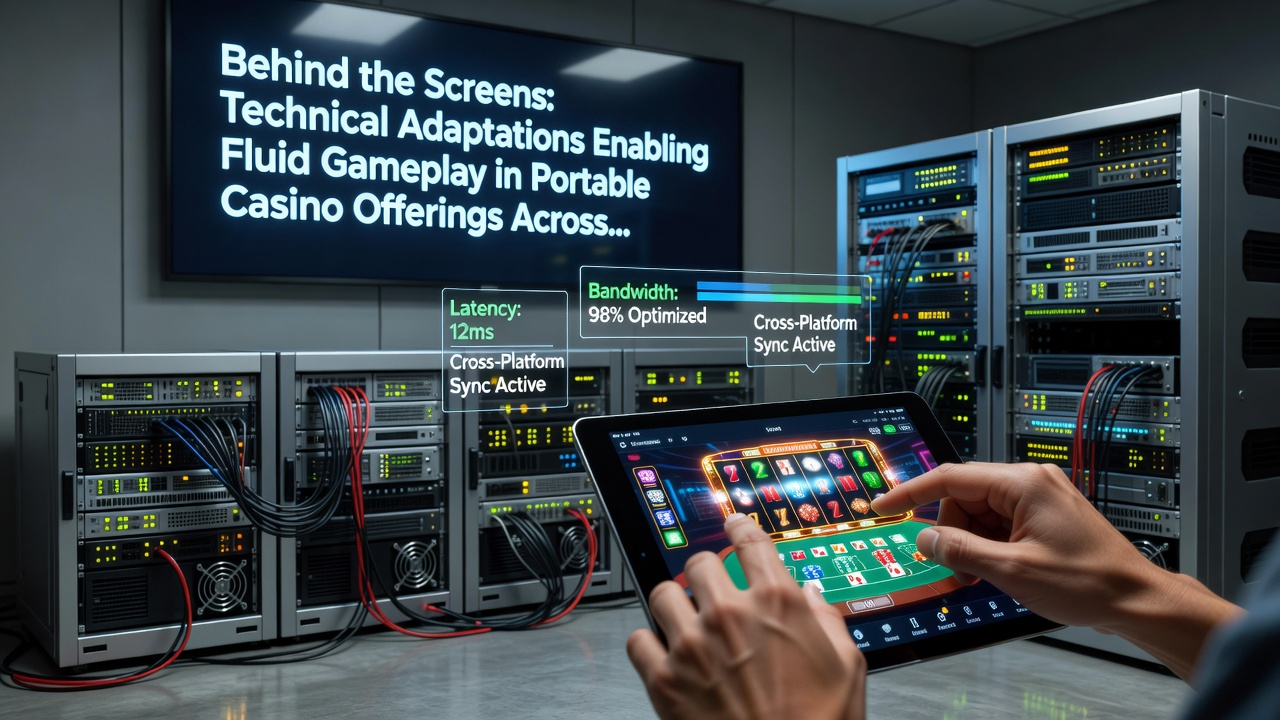
Cloud-assisted rendering supplements local processing on older units by streaming only the final composite frame when the onboard GPU reaches predefined load thresholds, and this hybrid model keeps gameplay uninterrupted without requiring users to upgrade equipment.
Data Compression and Asset Delivery
Asset pipelines employ variable bitrate compression for both 2D reels and 3D environments, delivering smaller initial downloads that expand only when the device reports sufficient storage and bandwidth; subsequent updates arrive incrementally during idle periods rather than interrupting active play.
Figures released by the Canadian Gaming Association indicate that optimized delivery systems have contributed to higher session completion rates across regional markets where data caps remain common, demonstrating that technical choices directly influence accessibility metrics.
Security Layers Integrated with Performance
Encryption routines for financial transactions and random number generation now run in isolated threads that share processor time with graphics pipelines, yet profiling tools ensure these security operations do not exceed allocated cycles on lower-power chipsets; regular audits by independent laboratories confirm compliance without measurable impact on frame timing.
Observers note that these concurrent optimizations have become standard practice ahead of projected platform updates scheduled for July 2026, allowing operators to prepare codebases once rather than reacting to each new operating system version separately.
Conclusion
Technical adaptations in portable casino offerings continue to evolve through coordinated efforts among hardware manufacturers, software frameworks, and regulatory testing bodies, resulting in gameplay that remains fluid whether accessed on the latest foldable smartphone or a refurbished tablet still supported by its original vendor.